Statistics

Bayesian MMM is not a silver bullet for MMM’s Multicollinearity issue

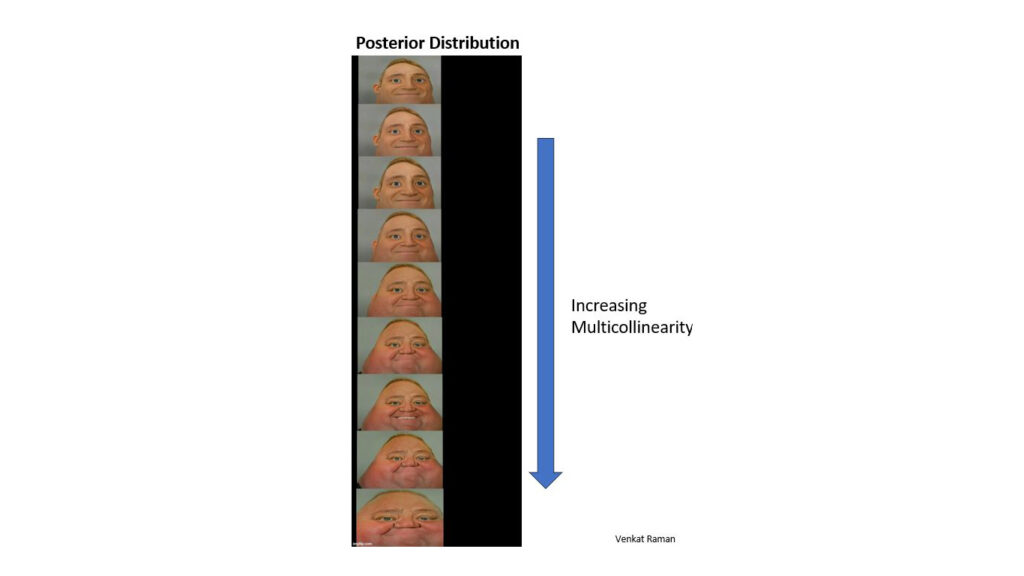
I came across a post few days back which stated that Bayesian Methodologies are better at handling Multicollinearity in MMM. This is simply not true. Multicollinearity is a information redundancy problem and Bayesian methodology can’t magically solve it. Rather the problem becomes worse in case of Bayesian MMM because your posterior distribution keeps getting wide […]

Bayesian MMM is not a silver bullet for MMM’s Multicollinearity issue Read More »
How we build robust MMM models with help of Bootstrapping

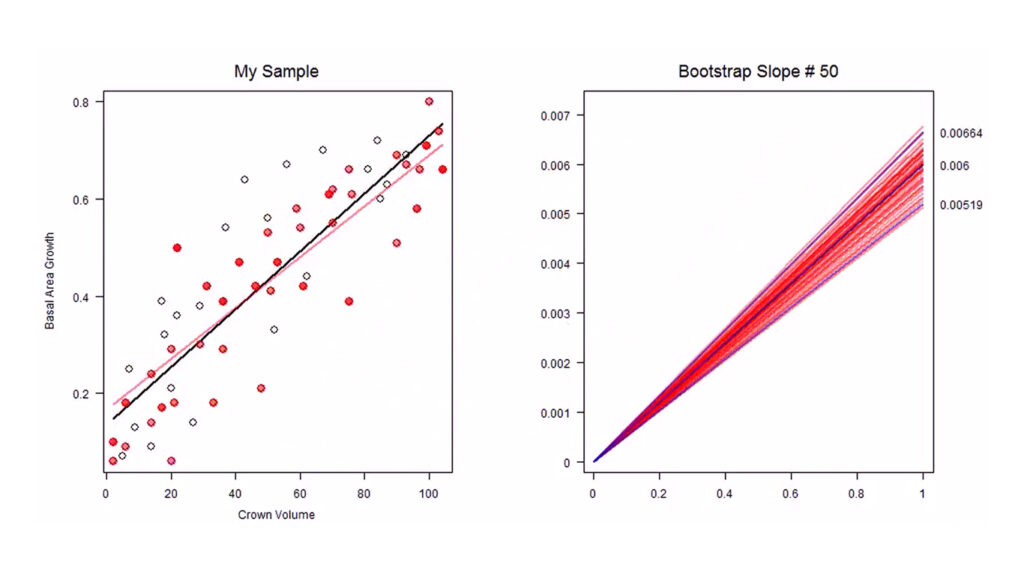
In statistics, especially inferential statistics, the corner stone paradigm is that of sample-population. We most often don’t have the population details. We hence try to infer things about the population through the sample. For e.g. Population parameter is estimated through sample statistic. ▪ What is Bootstrapping? Bootstrapping simply put is a method of repeated sampling

How we build robust MMM models with help of Bootstrapping Read More »

Bayesian MMM and The Richard McElreath’s Quartet

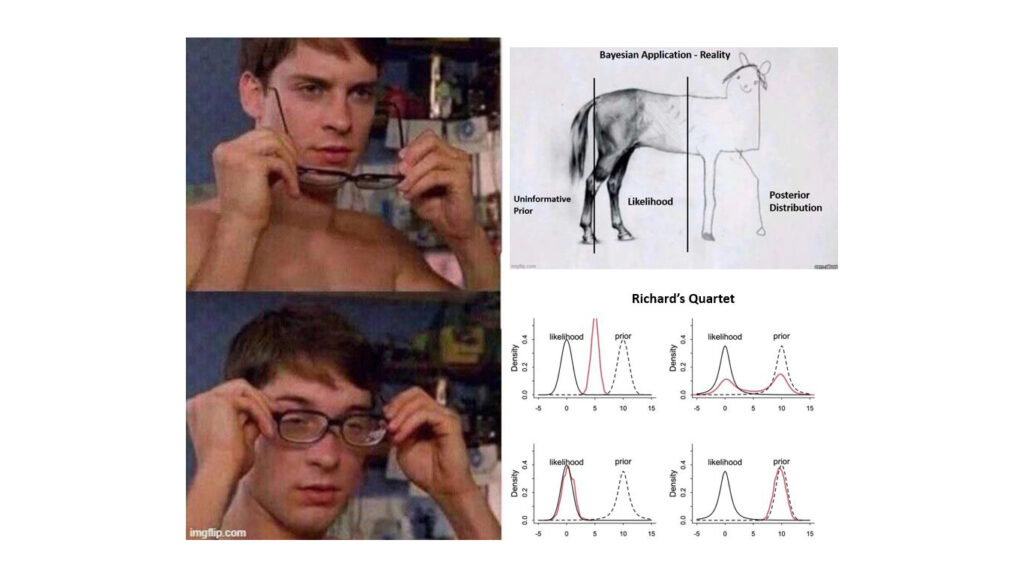
A week ago, I talked about epistemic uncertainty in Bayesian framework as a result of uninformative priors. That post drew expected reactions and many of Bayesian loyalists provided only hand wavy refutations. ICYMI the link to post is in comments. Anyhow, I stumbled upon an interesting tweet from Richard McElreath. I have named it ‘Richard

Bayesian MMM and The Richard McElreath’s Quartet Read More »

Why Heteroscedasticity matters in Marketing Mix Modeling (MMM)

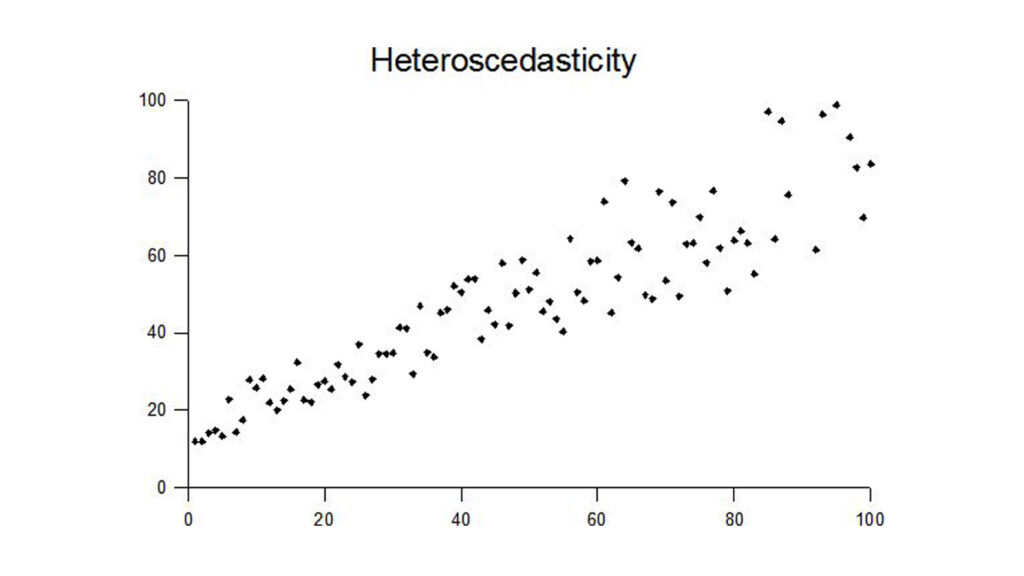
MMM is something that always leads you to reminisce about the learning one had or hadn’t during their statistics course. 15 years ago, when I was a student, I attended one statistics seminar. In it the professor told “Always be testing your assumptions”. That statement rings true even now, especially in MMM. In MMM, inference is

Why Heteroscedasticity matters in Marketing Mix Modeling (MMM) Read More »

Seeing Statistical Tests through the lens of Signal vs Noise

Seeing Statistical Tests through the lens of Signal vs Noise. Most statistical tests are designed to discern signal from the noise. Let me take a classic example – ANOVA The F test for one way ANOVA is given as follows: F= Variance between treatments / Variance within treatments. One could look at the numerator as

Seeing Statistical Tests through the lens of Signal vs Noise Read More »

A high t statistic does not indicate strong relationship between dependent variable and Independent variable

Gentle Reminder : A high t statistic does not indicate strong relationship of IVs with the DV. Just the other day, I saw a post (again) stating that a t statistic indicates strength of relationship of IVs to DVs. So here is a gentle reminder (sharing it again). The high t statistic here does not

A high t statistic does not indicate strong relationship between dependent variable and Independent variable Read More »

How a statistical technique that helped solve German Tank problem during WW2 is helping us get accurate attribution in Marketing Mix Modeling (MMM)

When we talk about application of statistics during world war 2, somehow the image of the airplane with red dots (survivorship bias) comes to mind. Don’t worry I am not going delve on that again 😅 There are however other lesser known statistical applications during world war 2 which had a huge impact in the

How a statistical technique that helped solve German Tank problem during WW2 is helping us get accurate attribution in Marketing Mix Modeling (MMM) Read More »

What does ‘statistic’ in statistics mean?

Are you confused about the meaning of ‘statistic’ in statistics? You’re not alone. Many blogs and posts on the internet use the term loosely. In statistics, a statistic is defined at a sample level, whereas a parameter is defined at a population level. To estimate the parameter, we use a statistic. One of the mental

What does ‘statistic’ in statistics mean? Read More »

Scroll to Top